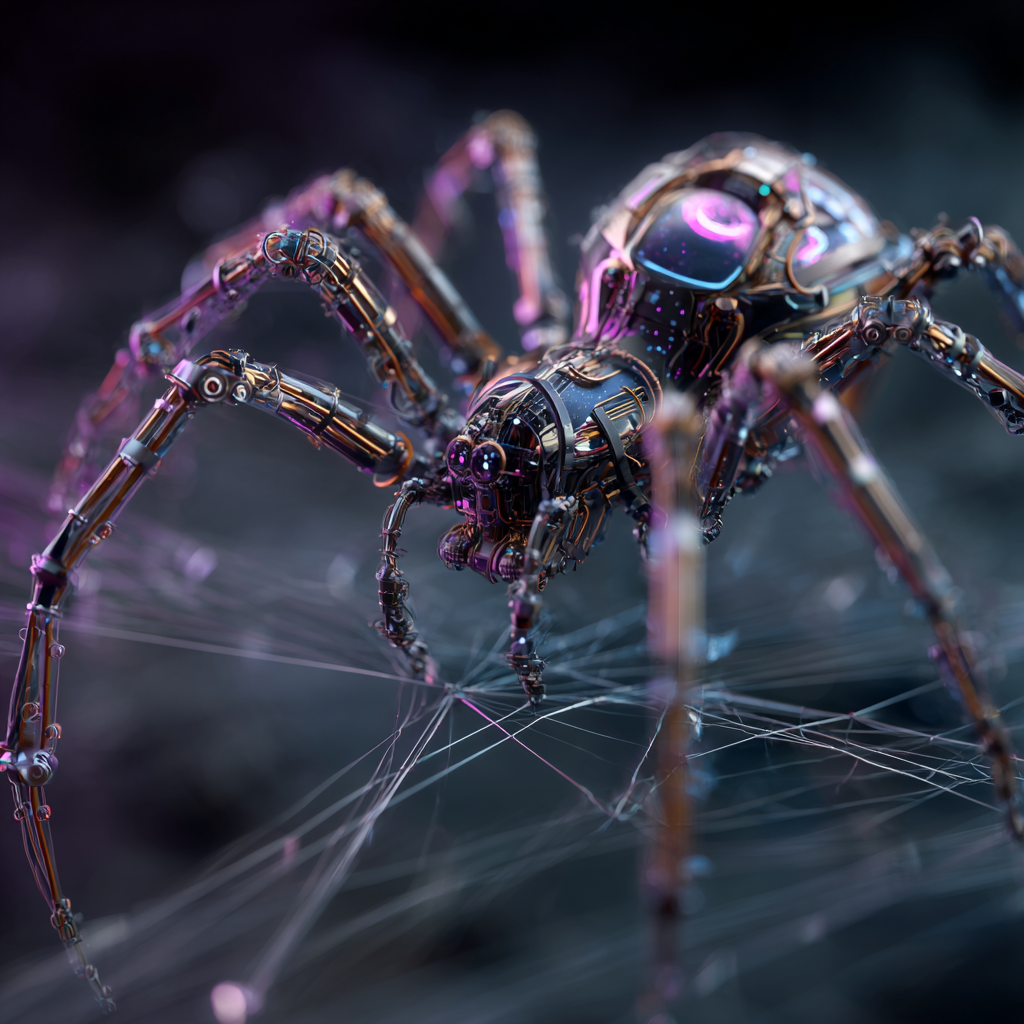
Across species, evolution “pre-installs” compact neural programs that deliver immediate, reliable behaviors (standing, pecking, web-building) with minimal learning. What are the implications for designing AI?
The current approach to AI has a fundamental weakness: it’s incredibly hungry for data and experience. Today’s AI models start as a tabula rasa, or “blank slate,” and require massive datasets to learn even basic concepts about the world. They are brittle, struggle with common sense, and lack the efficiency that even a newborn animal displays moments after birth. A newly hatched sea turtle instinctively knows to crawl toward the ocean; a spider can weave a complex web without ever being taught.
This innate, pre-programmed knowledge is instinct. And by overlooking it, the AI field may be missing a crucial piece of the intelligence puzzle. Instead of just building better cortexes, perhaps we need to look deeper into the older, more foundational parts of the brain; the parts that give rise to instinct.


Leave a Reply